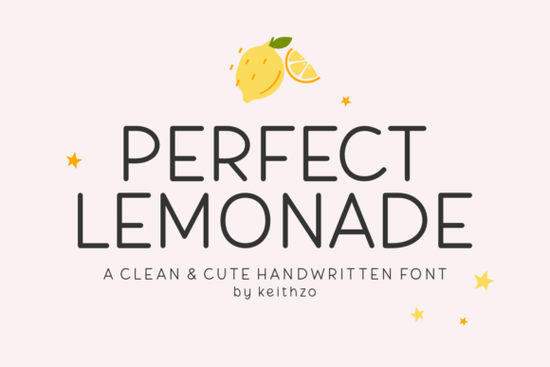
What projects work best with a cheerful handwritten style?
When you run a print-on-demand shop or create digital assets, choosing the right lettering sets the mood for your entire brand. The relaxed personality of this display font makes it highly versatile for items that need a friendly, approachable feel.
Greeting cards and stationery: Short, heartfelt messages require text that is easy to read quickly. The natural flow of the letters ensures your sentiments feel hand-crafted rather than mass-produced. This makes it particularly useful for baby shower invitations, birthday cards, or casual wedding signage where a warm tone is necessary.
Sticker packs: Bubbly strokes are excellent for die-cut stickers. The rounded edges cut cleanly on machines like Cricut or Silhouette, reducing the chance of tearing delicate paper materials. You can easily layer these thicker letters over simple vector illustrations of fruit or florals to create cohesive planner sticker kits.
Digital planning: Small businesses and hobbyists building digital planners often use this kind of casual lettering for headers and daily quotes. It provides a soft, welcoming aesthetic without overwhelming the page, allowing users to write their own notes comfortably alongside your pre-designed text.
How do you ensure your text remains readable in craft designs?
Legibility is critical when designing for commercial sale or functional items. Even a highly stylized script needs to communicate clearly to your audience. To maintain clarity, pay close attention to your spacing. Because this font has a naturally relaxed fit, you may need to adjust the kerning slightly when working with longer phrases to ensure the letters connect logically and do not overlap awkwardly.
Contrast is another important factor. When pairing this with something more rigid, you might find it helpful to browse a structured option like this bird house typeface to create a balanced layout. Using a clean sans serif for your body text or subheadings allows the bubbly letters to stand out as a primary focal point without making the entire composition difficult to decipher.
Is this font suitable for cutting machines and vinyl decals?
Yes, the smooth design translates very well to physical crafting. Unlike highly distressed or overly complex scripts, the solid strokes here mean fewer weeding issues when working with adhesive vinyl. The thicker lines hold up well on textured materials like canvas tote bags or cotton t-shirts. This ensures the final heat-pressed design remains intact after multiple washes. For intricate decal work, always use high-quality transfer tape to keep the rounded letters perfectly aligned during application.
Where can you find complementary fonts for your summer collections?
Crafting cohesive product collections often requires mixing different weights and styles to keep the audience engaged. If you want to review the specific details and character sets of the main typeface, you can always return to the dedicated product listing to check for alternate characters, multilingual support, or special ligatures that might enhance your work.
Alternatively, if your current project needs a rougher, hand-drawn texture to break up the smooth lines, taking a look at a marker-style summer typeface might give you the exact aesthetic you are aiming for. Mixing smooth scripts with textured markers creates visual interest, especially for seasonal product lines or summer-themed apparel.
Quick setup checklist for your next design
- Install the font files on your computer and restart your design software to ensure they appear correctly in your text menu.
- Use the OpenType panel in programs like Adobe Illustrator or Canva to access any hidden swashes or alternate characters included in the file.
- Save your final files in high-resolution PNG or vector SVG formats to meet the strict quality requirements of print-on-demand partners.
- Test a sample cut on scrap vinyl before running a large batch of stickers to confirm your machine settings handle the smooth curves correctly.
- Pair the lettering with a simple background pattern or solid pastel color to keep the primary focus on your custom typography.
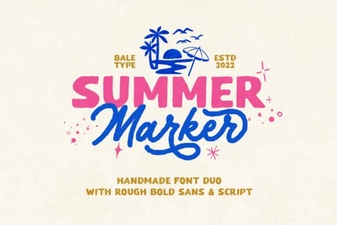 Summer Marker Font Styles: Design Ideas & Applications
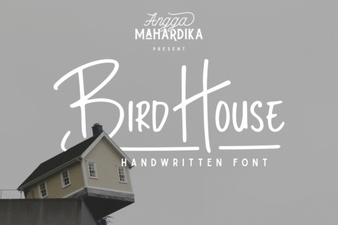 Free Fonts for Birdhouse Diy Projects
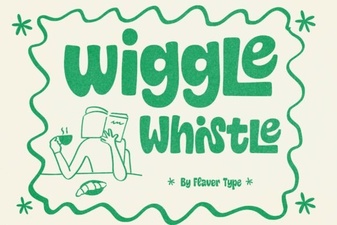 Whistle Font for Creative Typography & Logo Design
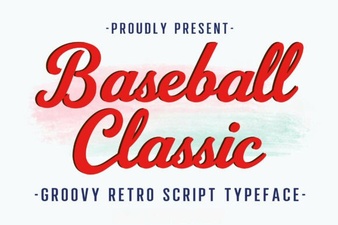 Design a Team Logo with Baseball Classic Font
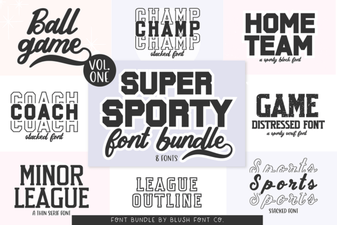 Super Sport Bundle: Design Your Athletic Projects
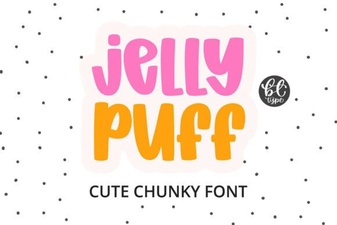 Jelly Puff Font: Creative Designs & Ideas