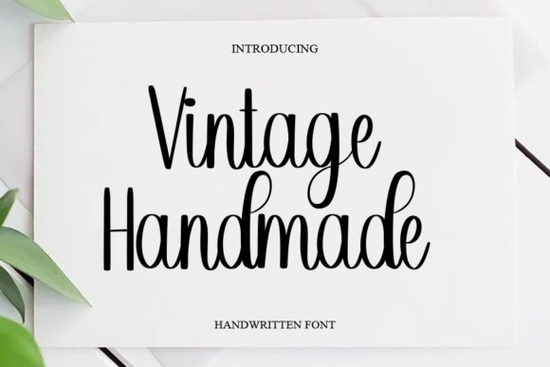
Choosing the right typography is often the hardest part of starting a new design project. If you are working on a logo or a custom quote, you need lettering that feels personal but remains easy to read. The Vintage Handmade Font offers exactly that balance. It is a handwritten typeface designed to give your artwork a timeless, crafted feel without looking messy. Whether you are a print-on-demand seller creating custom mugs or a small business owner designing your first brand identity, this script style provides a reliable foundation.
How do you apply handwritten lettering to brand logos?
Logos need to communicate your brand's personality in just a few seconds. A stiff, corporate typeface might work for a law firm, but a boutique coffee shop or a handmade jewelry store requires something warmer. Because every letter in this font has a slightly unique touch, it mimics real human handwriting. This makes your branding feel approachable and authentic.
When designing a logo, try using this script for the main business name and pair it with a clean sans-serif for the tagline. The contrast keeps the design legible while maintaining that custom, artisanal vibe. Whether you are using Adobe Illustrator, Canva, or Procreate, the consistent baseline means you won't spend hours adjusting individual letters that drop awkwardly below the text line.
What types of crafting projects suit a timeless script?
Crafters and hobbyists frequently look for versatile files that work across different mediums. A highly decorative font might look great on a screen but fail when cut out of adhesive vinyl or printed on textured paper. This particular style avoids overly complicated loops, making it highly practical for physical products.
- Apparel: Print short, meaningful quotes on t-shirts or tote bags. The natural flow of the letters reads well from a distance.
- Paper crafts: Use it for wedding invitations, greeting cards, or scrapbooking titles. It adds a personal signature to paper goods.
- Home decor: Create wooden signs or framed wall art for nurseries and living rooms. The classic look fits seamlessly into farmhouse or boho interior styles.
If you enjoy this aesthetic, you might also want to explore other handwriting styles for your collection. For a slightly more relaxed and casual look, a handwriting option that feels like a personal diary entry could be perfect for journaling projects.
How can print-on-demand sellers stand out with typography?
The print-on-demand market is crowded, so finding a distinct visual voice is necessary. Relying on standard system fonts will make your products blend in. Using a specialized script helps your merchandise look custom-designed rather than mass-produced.
Consider testing your designs on different product mockups before listing them. A quote that looks fantastic on a white ceramic mug might need a color adjustment when printed on a dark heather t-shirt. Understanding how your chosen typography interacts with various backgrounds will save you time and reduce customer returns.
When creating motivational quotes or seasonal greetings, the fluid connection between the characters draws the eye. If your current projects need something a bit more playful and energetic, you could test a retro-inspired script to capture that nostalgic seventies vibe. On the other hand, if you are designing romantic wedding merchandise, a soft, delicate typeface will better suit the occasion and appeal to your target buyers.
What are the best font pairings for balanced layouts?
A common mistake in typography is pairing two highly decorative fonts together. Since your main script already carries a lot of personality, the supporting text should be simple.
For a sports-themed apparel line, you might combine your main handwritten text with a bold, athletic lettering style to create an interesting contrast between vintage and sporty. If you are working on bakery branding, matching it with a warm, rounded typeface can make the whole design feel incredibly inviting and sweet.
Practical checklist for your next design
Before you finalize your artwork or send it to the printer, run through these quick checks to ensure the best results:
- Check the spacing: Adjust the kerning manually if certain letter combinations look too tight or too far apart.
- Test the scale: Shrink your design down to the actual print size on your screen to verify that the thin strokes remain visible.
- Convert to outlines: If you are sending the file to a vinyl cutter or a commercial printer, always convert your text to shapes so the specific font file is not required on their end.
- Review the background contrast to ensure the handwritten elements are easy to read against your chosen colors.
 Design a Team Logo with Baseball Classic Font
 Biscuit Font: Creative Uses & Design Inspiration
 Better Together Font: Design & Creative Pairings
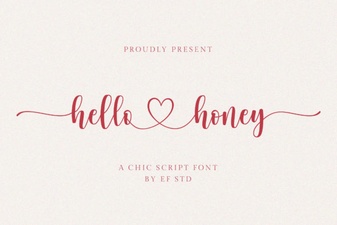 Hello Honey Font: Your Guide to Creative Typography
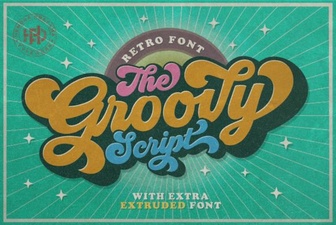 Groovy Fonts for Creative Design Projects
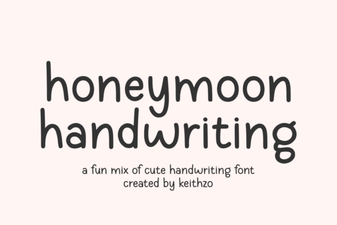 Create Elegant Invitations with Honeymoon Handwriting