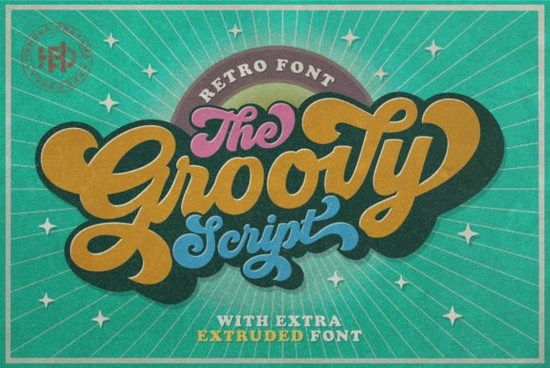
Designing with retro typography requires balancing nostalgia with modern readability. If you want to recreate the iconic look of late 1960s and 1970s advertisements, the Groovy Font offers a nostalgic script that works perfectly for this aesthetic. Its funky, flowing letters bring a warm, vintage feel to posters, apparel, and packaging without looking outdated. For small businesses and print-on-demand sellers, finding the right typeface can define an entire brand identity and attract a very specific audience that appreciates vintage culture.
What types of projects work best with a 1970s script?
When you use thick, flowing scripts, the goal is to create a strong visual impact. This style of lettering is highly effective for product labels, especially for brands selling artisan coffee or handmade cosmetics. The sweeping curves naturally draw the eye, making it an excellent choice for packaging.
Crafters making vinyl decals or custom t-shirts also find that bold typography stands out beautifully on dark and light fabrics. It is also a great choice for event stationery, setting a fun tone for retro-themed birthday parties or summer music festivals.
How do you pair nostalgic lettering with other typefaces?
Pairing a heavy script with the wrong secondary font makes your layout look cluttered. Since the main retro text carries a lot of visual weight, balance it with clean, geometric sans-serif fonts like Montserrat for body copy.
If you want to contrast the heavy curves with something thematic, look into bolder, more masculine script styles for a complementary header. If your project leans toward romantic themes, explore elegant handwritten styles for wedding invitations instead. For food branding, combining your main retro text with softer, rounded lettering for bakery logos maintains a friendly vibe.
Where can you use these vintage styles to attract buyers?
Print-on-demand sellers use nostalgic aesthetics to target specific demographics. Apparel featuring 1970s-inspired typography sells consistently well on platforms like Etsy. Simple, text-based designs featuring positive phrases translate perfectly onto canvas tote bags, ceramic mugs, and vinyl stickers.
The key is ensuring the letters remain legible when printed. If you are designing for a younger audience that prefers pop-culture aesthetics, compare this with playful aesthetics similar to classic doll branding to see which fits your product line better.
What makes this specific retro script effective for business logos?
A successful logo needs to be recognizable at various sizes. When you decide to use this specific retro script for a brand mark, pay close attention to letter spacing. Tight kerning works for large storefront signs, but you may need to increase the tracking if the logo is printed on small clothing tags.
The consistent stroke width ensures the font does not become muddy when scaled down. This reliability is crucial for small businesses needing professional branding across digital and physical mediums.
Typography only tells half the story. To truly capture the essence of the 1970s, build a color palette using warm, earthy tones like mustard yellow, burnt orange, and olive green. Before you finalize your next vintage-inspired project, run through this quick design checklist:
- Check the contrast: Ensure your background color allows the thick script to stand out clearly.
- Limit your fonts: Stick to two typefaces per design to avoid a cluttered layout.
- Test the scale: Print a small physical sample to verify the letters remain readable.
- Align properly: Use baseline adjustments in your software to make sure the swooshes connect naturally.
Take time to experiment with different layout variations and earthy color palettes to find the perfect combination for your brand.
Explore Design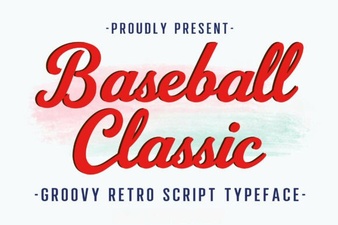 Design a Team Logo with Baseball Classic Font
 Biscuit Font: Creative Uses & Design Inspiration
 Better Together Font: Design & Creative Pairings
 Hello Honey Font: Your Guide to Creative Typography
 Bring Your Creations to Life with Vintage Handmade Fonts
 Create Elegant Invitations with Honeymoon Handwriting