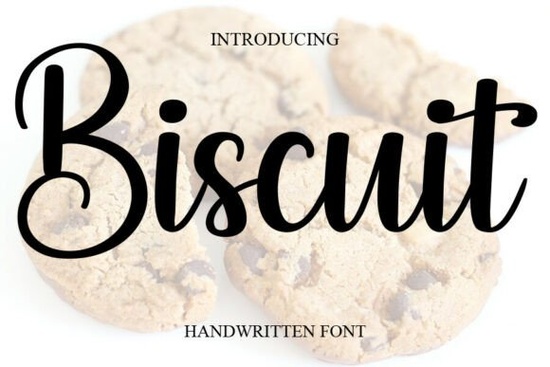
When choosing typography for a romantic or joyful project, you need a typeface that feels personal without sacrificing readability. The Biscuit Font is a sweet, cursive handwritten typeface designed exactly for this purpose. It brings a gentle, casual elegance to design layouts, making it a reliable choice for crafters, small business owners, and print-on-demand sellers who want their work to feel custom and approachable. Instead of stiff, formal lettering, this script offers fluid strokes that mimic natural handwriting, adding a warm touch to any visual project.
What kind of projects work best with a sweet cursive style?
Because of its joyful and romantic curves, this lettering works beautifully for events and lifestyle branding. If you are designing wedding invitations, a handwritten script adds a personal touch that standard serif fonts simply cannot match. It is highly effective for greeting cards, fashion lookbooks, and boutique marketing materials. The fluid strokes give the impression of custom calligraphy, which helps small businesses stand out in a crowded market.
For crafters using cutting machines like Cricut or Silhouette, this typeface is an excellent choice for creating custom vinyl decals. You can use it to make personalized name signs for nurseries, custom labels for homemade jam jars, or unique monograms for tote bags. The smooth connections between the letters mean the machine will cut a continuous line without unnecessary pauses, resulting in cleaner edges and less weeding time.
Whether you are creating a logo for a local bakery or a product label for handmade soap, the gentle flow of the letters keeps the overall aesthetic friendly but polished. It strikes a nice balance between fancy and casual, ensuring your brand looks professional without feeling overly corporate.
How do you pair this handwriting font with other typefaces?
A common challenge for designers is balancing a decorative script with highly readable text. Since this cursive style is quite expressive, it pairs best with clean, simple sans-serif or classic serif fonts for your body copy. Let the script handle the main titles or focal points, and use a basic font for the details like dates, addresses, or product descriptions.
If you are building a broader brand identity, you might want to explore other playful options to create a diverse typography toolkit. For instance, a retro-inspired project might benefit from the bubbly letters found in a groovy vintage typeface, while a hyper-feminine brand could lean into the bright, bold energy of a bright pink pop-culture script.
For wedding stationery specifically, mixing different handwriting styles can create a beautiful visual hierarchy. You can use the main script for the couple's names and pair it with the delicate, sweeping lines of a romantic honeymoon calligraphy for subheadings or venue details. Another great option for wedding or anniversary designs is combining it with a classic duo lettering style to create contrasting text weights on the invitation suite. If you want to stick strictly to this specific aesthetic, checking out other variations of the biscuit cursive family can give you more alternate characters and swashes to play with.
Is this typeface suitable for print-on-demand and small business logos?
Yes, but there are a few practical considerations for production. When designing for print-on-demand items like t-shirts, mugs, or tote bags, you need to ensure the thin strokes of the cursive letters do not get lost during the printing process. It is usually best to use this font for short phrases, inspirational quotes, or single words rather than long paragraphs.
For small business logos, the casual elegance works perfectly for cafes, florists, and handmade craft shops. Just make sure to adjust the kerning, which is the space between individual letters. Sometimes, automatic spacing can cause connecting strokes to overlap awkwardly or drift too far apart. Taking a few minutes to manually tweak the spacing ensures the wordmark looks cohesive and custom-drawn.
What should you check before finalizing your design?
Before you export your file for print or web, run through this quick checklist to ensure your typography looks its absolute best:
- Check readability: Ensure the cursive words are easy to read from a normal viewing distance, especially if you are using a dark background.
- Adjust letter spacing: Tweak the kerning manually if the connecting swashes look too cramped or too far apart.
- Limit your usage: Stick to one or two script fonts per project to avoid visual clutter and keep the focus on your message.
- Contrast is key: Always pair the cursive text with a simple, clean font for any secondary information or body text.
- Test print: If you are making physical products, do a test print to make sure the delicate strokes hold up on your chosen material.
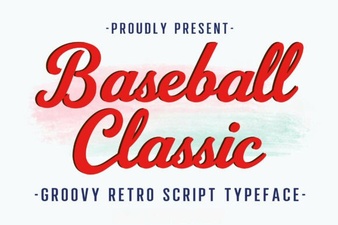 Design a Team Logo with Baseball Classic Font
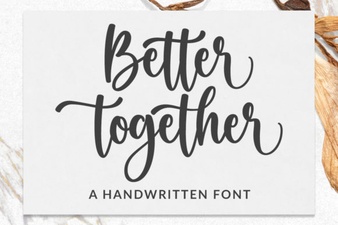 Better Together Font: Design & Creative Pairings
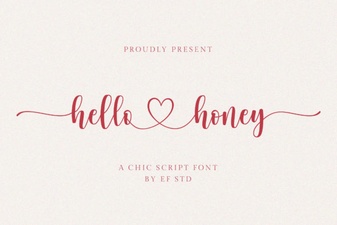 Hello Honey Font: Your Guide to Creative Typography
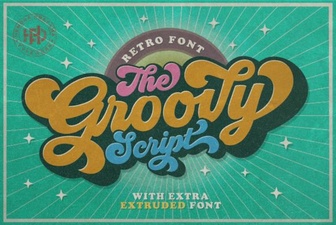 Groovy Fonts for Creative Design Projects
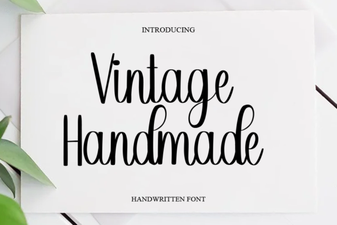 Bring Your Creations to Life with Vintage Handmade Fonts
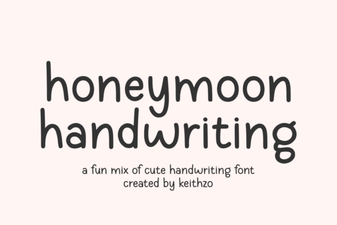 Create Elegant Invitations with Honeymoon Handwriting