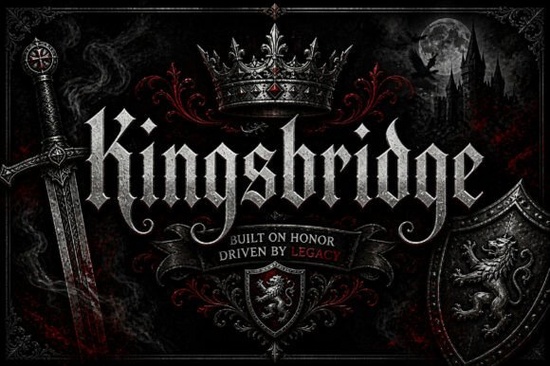
Gothic typography often carries a heavy, historical weight, but it can easily adapt to modern graphic design when the proportions are right. If you need a typeface that balances sharp, traditional letterforms with contemporary readability, the Kingsbridge Font is an excellent choice. It offers a bold and sophisticated look, making it highly versatile for designers, print-on-demand sellers, and small businesses who want to make a strong visual statement without sacrificing elegance.
What makes a blackletter typeface work for modern branding?
Many crafters and brand owners hesitate to use medieval-inspired fonts because they fear the text will become unreadable. The trick is finding a design that maintains dramatic contrast while keeping the core letter structures clean. Kingsbridge achieves this balance by using sharp gothic letterforms paired with elegant swash details. This means your audience can still read your message clearly, whether it is printed on a cotton t-shirt or displayed on a digital poster.
When you want to build a premium visual identity, the small details matter. Heavy ink traps and intricate lines can look messy at smaller sizes. By focusing on a refined blackletter typography approach, you ensure your logo or packaging design remains crisp. This is especially important for fashion labels and event graphics where clarity directly impacts how customers perceive your brand authority.
Where can you use gothic lettering in your projects?
This style of display font is not just for historical reenactments or heavy metal band logos. It has a wide range of practical applications for creative hobbyists and commercial designers alike. Because of its timeless feel, it naturally draws the eye and creates a memorable impression.
Here are a few specific ways to apply this typeface to your work:
- Tattoo artwork: The sharp lines and classic structure make it perfect for traditional and neo-traditional tattoo flash sheets.
- Album covers: Musicians looking for a bold, authoritative title treatment will find the dramatic contrast highly effective for digital and physical releases.
- Merchandise and packaging: Print-on-demand sellers can use it for vintage-style apparel, coffee bag labels, or craft beer branding.
- Luxury brand design: When paired with minimalist layouts, the elegant swashes add a high-end, sophisticated touch to visual identities.
If your current design requires an even more authentic historical aesthetic, you might consider blending it with a classic Old English lettering style for secondary text or background watermarks. This layering technique adds depth and character to complex illustrations.
How do you pair this display font with other typefaces?
Using a heavy blackletter font for every piece of text on a page will overwhelm the reader. The best practice is to use it exclusively for primary headlines, logos, or short statements. For your body copy, subheadings, and contact information, choose a simple, highly legible typeface.
A clean sans-serif font works best to offset the intricate details of the gothic letters. For example, if you use the display typeface for a vintage headline on a concert poster, use a basic geometric sans-serif for the date, time, and venue details. This creates a visual hierarchy that guides the viewer's eye naturally across the layout. Never use two heavy display fonts together, as they will compete for attention and confuse your audience.
Additionally, pay attention to your color palette. Blackletter fonts carry a lot of visual weight. Placing white or metallic text on a dark, moody background enhances the classic feel, while using a stark black font on a cream or off-white background gives it a more modern, editorial appearance.
Checklist for your next typography project
Before you finalize your design and send it to print, run through this quick checklist to ensure your lettering looks its best:
- Check readability at a distance: Step back from your screen or print a small test page. Can you read the main headline in under three seconds?
- Limit the swashes: If you are using the elegant swash details, apply them only to the first or last letters of a word to avoid a cluttered look.
- Adjust the tracking: Blackletter fonts often look better with slightly tighter letter spacing in large titles, but ensure the sharp edges do not overlap awkwardly.
- Verify contrast: Make sure your background color provides enough contrast so the dramatic thick and thin lines of the font remain distinct on the final product.
By keeping these practical steps in mind, you can easily integrate bold, medieval-inspired typography into your creative work. Take the time to test your files before sending them to a commercial printer, and always prioritize legibility alongside aesthetics.
Download Now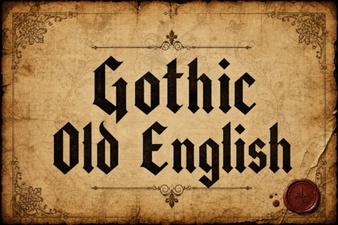 Gothic Old English Font Design Ideas & Uses
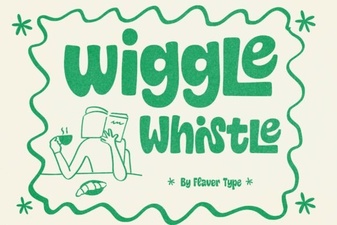 Whistle Font for Creative Typography & Logo Design
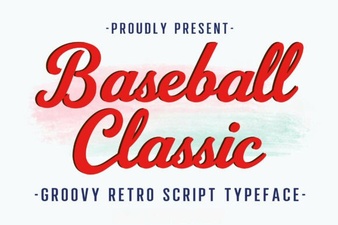 Design a Team Logo with Baseball Classic Font
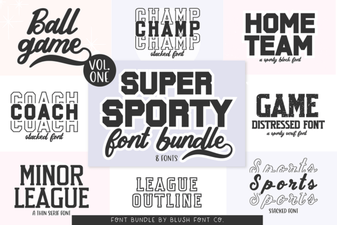 Super Sport Bundle: Design Your Athletic Projects
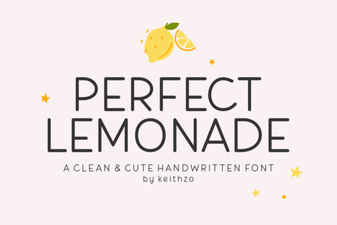 Crafting with the Perfect Lemonade Font
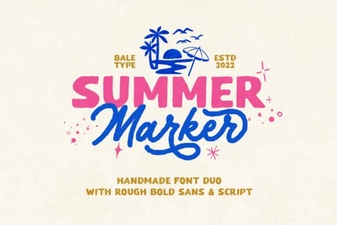 Summer Marker Font Styles: Design Ideas & Applications