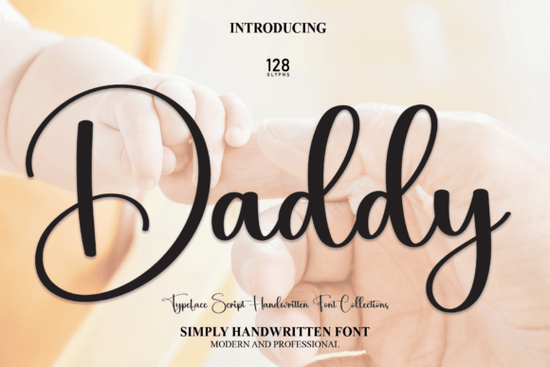
Finding the right typography for a romantic or joyful project can take hours of scrolling through endless directories. The Daddy Font offers a sweet, handwritten script that immediately adds a gentle touch to your design files. Whether you are crafting wedding invitations, designing custom apparel for a print-on-demand shop, or creating branding for a small bakery, this lovely lettering brings a warm, personal feel to the page. Crafters and small business owners appreciate how easily it translates from a digital screen to a physical product.
What kind of projects work best with this handwritten script?
When working with such a delicate typeface, you want to let the natural curves speak for themselves. Graphic designers often use this style for projects that require an authentic, human element. The flowing lines are perfect for:
- Wedding stationery: Save-the-date cards, seating charts, and welcome signs.
- Custom nursery decor: Personalized wooden name signs or printable wall art.
- Romantic greeting cards: Valentine's Day or anniversary cards where the text is the main focal point.
- Boutique branding: Logos for florists, bakers, or handmade jewelry shops.
If you enjoy this joyful vibe but need something slightly different for a specific seasonal campaign, you might also explore other sweet romantic typefaces to build out your broader design toolkit.
How do you pair this gentle lettering with other typefaces?
Script typography looks its best when contrasted with highly readable, structured text. Because this particular file has flowing, organic lines, it needs a solid foundation to balance the layout.
Try matching it with a clean sans-serif like Montserrat or a classic serif like Playfair Display for your body copy. If your design requires a retro or nostalgic aesthetic, blending it with classic hand-drawn styles can create an interesting visual contrast without clashing.
For wedding invitations where you need a secondary cursive element, look at how paired wedding scripts balance each other out on the page. Alternatively, if you want a lighter, more casual feel for a blog header or social media graphic, testing out friendly cursive options alongside your main title can give you great variety. And if you ever need a bold, nostalgic 1970s vibe to contrast with the sweetness of your main text, browsing through retro lettering provides a completely different mood.
Is this typography suitable for commercial print-on-demand items?
Yes, small businesses and hobbyists frequently use this type of lettering to create physical products. Before selling items on platforms like Etsy or Amazon, always check the specific commercial license included with your download to ensure you have the right permissions.
When designing t-shirts, tote bags, or mugs, ensure the strokes are thick enough to print clearly. Sometimes, delicate scripts can break apart during the screen printing or vinyl cutting process. If you are using a Cricut or Silhouette machine, you may need to thicken the hairlines slightly in your design software. If you need guidance on preparing your files for different materials, reading up on standard practices for Daddy Font installation and formatting can save you time and material waste.
What software supports this cursive file?
This file typically comes in standard OTF and TTF formats, meaning it works across almost all major design platforms. You do not need expensive software to use it effectively.
- Adobe Illustrator: Best for creating scalable vector logos and custom apparel graphics where precision is required.
- Cricut Design Space: Ideal for crafters cutting adhesive or heat transfer vinyl for mugs, shirts, and wooden signs.
- Canva: Perfect for small business owners who need to quickly put together social media posts or digital flyers.
- Procreate: Great for digital artists who want to incorporate the typography into hand-drawn iPad illustrations.
Quick checklist before you export your design
To ensure your final product looks professional and legible, run through these simple steps before sending your file to print or cutting your vinyl:
- Check the kerning: Adjust the letter spacing to make sure no awkward gaps appear between the swashes and connecting lines.
- Verify contrast: Ensure there is high contrast between the font color and the background material, especially on textured paper.
- Convert to outlines: If sending the file to a professional commercial printer, convert your text to vector shapes so the font does not shift.
- Do a test run: Print a draft on standard paper or cut a small test piece of vinyl to verify the delicate lines remain intact at your chosen physical size.
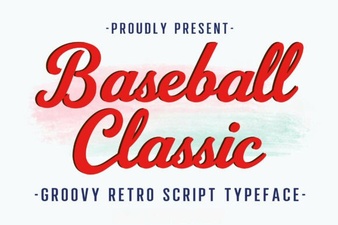 Design a Team Logo with Baseball Classic Font
 Biscuit Font: Creative Uses & Design Inspiration
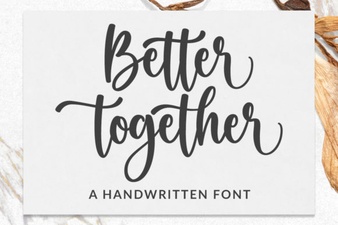 Better Together Font: Design & Creative Pairings
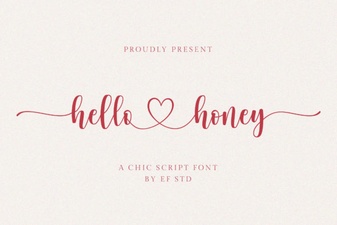 Hello Honey Font: Your Guide to Creative Typography
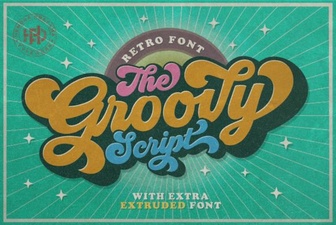 Groovy Fonts for Creative Design Projects
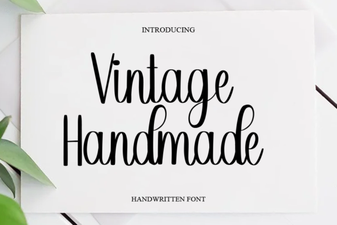 Bring Your Creations to Life with Vintage Handmade Fonts