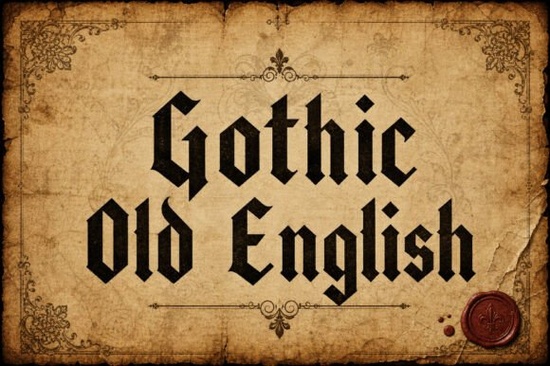
When choosing typography that carries historical weight, the Gothic Old English Font is usually the best starting point. You can find the Gothic Old English typeface on Creative Fabrica, and it provides exactly that kind of monumental presence. Crafted with sharp edges and a solid, Goth-inspired structure, it mimics authentic medieval calligraphy from centuries past. This specific style of lettering is not just about looking old; it conveys heritage, craftsmanship, and an undeniable edge. Whether you are a graphic designer building a brand identity, a print-on-demand seller creating apparel, or a hobbyist designing custom tattoo flash, this typeface delivers a bold and distinct aesthetic that demands attention on both digital screens and physical paper.
What projects work best with a traditional blackletter style?
This style of lettering naturally draws the eye, making it highly effective for designs that need to establish immediate credibility. Small businesses often use it for logos in the barbershop, streetwear, motorcycle club, or craft brewery industries. The heavy lines and sharp angles communicate a sense of established tradition. Print-on-demand sellers find great success applying these dense letters to heavy cotton hoodies, tote bags, and enamel pins. Crafters and visual artists frequently use it for striking poster art, heavy metal album covers, and ceremonious certificates. Because the characters are so intricate, they also translate beautifully into custom tattoo art or wood-burning projects. If you enjoy this specific medieval aesthetic, you might also spend some time browsing a dedicated collection of blackletter typefaces to find the perfect match for your ongoing portfolio projects.
How do you keep historical fonts readable in modern layouts?
Working with highly decorative lettering requires a careful approach to typography. Since traditional calligraphy styles are dense and complex, you should reserve them for short phrases, main titles, or monogram initials. Using them for long paragraphs will quickly frustrate your readers and defeat the purpose of clear communication. To create a balanced, professional design, pair your bold display letters with a clean, minimalist sans-serif font for the body text. This contrast highlights the intricate details of the gothic characters without overwhelming the page. You can also play with background textures, such as distressed paper or subtle grunge effects, to enhance the vintage feel. If you are looking for slightly different historical textures to complement your main title, checking out alternative gothic styles can give you more versatile options for secondary headings and sub-brands.
Which file formats should you use for your specific craft?
Choosing the right file format ensures your designs look crisp whether they are printed on a t-shirt or displayed on a mobile website. Most font packages include a few standard options tailored to different software environments:
- OTF (OpenType Font): This is the preferred choice for professional designers using Adobe Illustrator, Photoshop, or InDesign. It typically supports advanced ligatures and alternate characters that give your text a more authentic, hand-drawn look.
- TTF (TrueType Font): A highly compatible format that works seamlessly across basic design tools, standard word processors, and popular crafting machines like Cricut or Silhouette.
- WOFF (Web Open Font Format): Essential if you are a web designer wanting to embed the medieval style directly into a custom website CSS, ensuring fast load times across browsers.
Practical checklist before you finalize your design
Before you send your project to the printer, cut your vinyl, or publish it online, run through a few quick checks to ensure your typography is highly effective:
- Verify that your kerning (letter spacing) is tight enough to look connected, but not so tight that the sharp edges overlap illegibly.
- Test the design in pure black and white to ensure the structural integrity holds up without relying on color contrast or drop shadows.
- Scale the artwork down to the size of a standard business card or social media profile picture to confirm the intricate historical details remain visible.
- Review your font licensing terms carefully, especially if you are producing physical merchandise or digital assets for commercial sale.
- Try setting your text on a slight curve or arch if you are designing a badge or emblem, as this style adapts well to circular layouts.
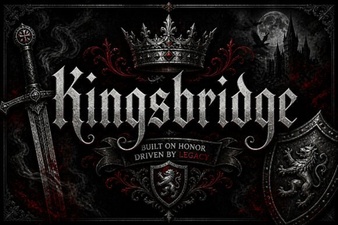 Kingsbridge Font: a Modern Classic for Creative Projects
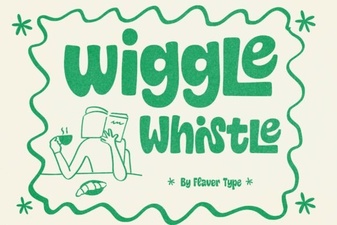 Whistle Font for Creative Typography & Logo Design
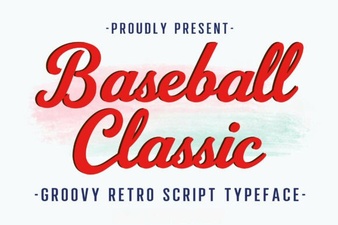 Design a Team Logo with Baseball Classic Font
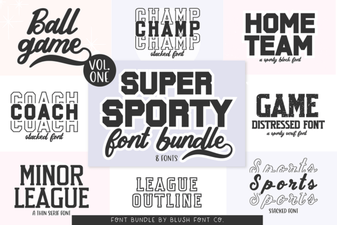 Super Sport Bundle: Design Your Athletic Projects
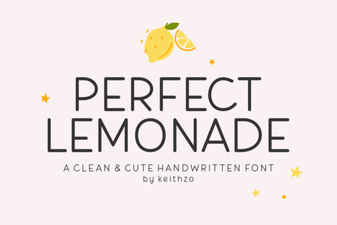 Crafting with the Perfect Lemonade Font
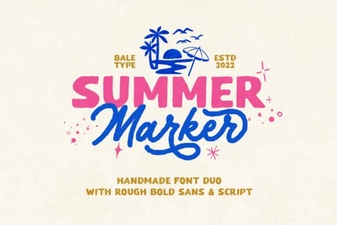 Summer Marker Font Styles: Design Ideas & Applications